
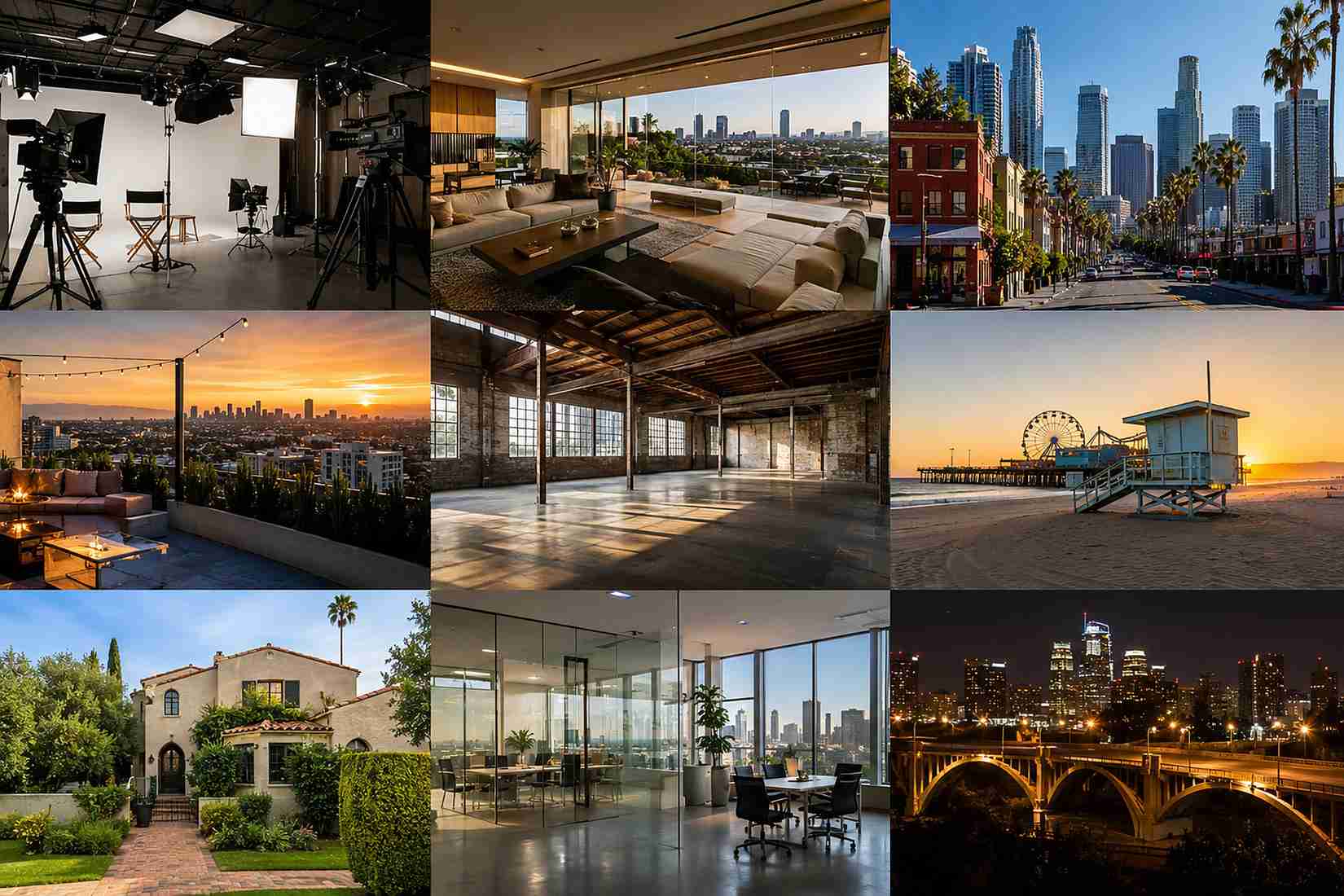
Finding Unique Places to Film Los Angeles projects can help filmmakers create scenes that feel memorable and different. A strong location can add character to a story without requiring a large set or expensive construction. Los Angeles offers many types of environments, from creative interiors and industrial spaces to unusual outdoor settings. The right choice depends on the story, production needs, budget, and visual style.
Why Unique Locations Matter for Film
A location can become an important part of a scene. It can establish time, mood, character, and atmosphere before an actor even speaks. This is why filmmakers often look beyond standard studios when they want their project to have a distinct visual identity.
A unique location may also reduce the need for heavy production design. A naturally interesting interior can provide texture, color, shapes, and useful backgrounds without requiring a large decorating budget. This can make the filming process more efficient.
Los Angeles is especially useful for this type of search because different neighborhoods and property types can offer very different visual styles. A filmmaker can create a modern, historic, industrial, artistic, or natural look depending on the selected location.
Think Beyond Traditional Film Sets
Traditional studios are useful when productions need complete control, but they are not the only option. Restaurants, warehouses, private properties, creative workspaces, offices, garages, and other locations can become effective filming environments.
Productions looking for affordable LA filming locations for productions can consider spaces that already have a strong visual identity. A location with distinctive walls, furniture, architecture, or open areas may require less set dressing.
The goal should not simply be to find the strangest place available. The location needs to support the script. A visually unusual space that makes filming difficult may create more problems than benefits. Practical access and production rules should always be considered alongside appearance.
Explore Different Visual Styles
One advantage of Los Angeles is the variety of environments available to filmmakers. Modern architecture can support technology or corporate stories, while older buildings can create a classic atmosphere. Industrial spaces can work well for music videos, commercials, action scenes, and fashion projects.
The best places to film in Los Angeles may also be locations that can represent several different settings. With careful framing and production design, one property may work as a restaurant, office, studio, workshop, or apartment.
Filmmakers should look at the structure of a property rather than only its current decoration. Walls, windows, ceilings, floors, and room sizes can determine how flexible the space will be once cameras and lighting equipment are brought in.
Consider Industrial and Warehouse Spaces
Industrial locations can give productions a strong visual character. Exposed materials, large doors, concrete surfaces, open ceilings, and wide floor areas can create a natural cinematic background.
Warehouses can also provide useful production flexibility. They may offer enough room for lighting equipment, cameras, props, vehicles, and crew movement. Their open design can be adapted to different creative concepts.
Before booking an industrial space, check power availability, loading access, sound conditions, parking, restrooms, and safety requirements. A visually impressive location still needs to work for the practical side of production.
Use Architecture to Create a Strong Look
Architecture can provide natural production value. Large windows can create interesting daylight, while unusual staircases, corridors, ceilings, and entrances can add depth to a shot.
When scouting a location, look at how the camera can move through the space. A location with several connected areas can provide more shooting options. This can help create visual variety without moving the production to another property.
The direction of natural light is also worth checking. A beautiful space may look very different at different times of day. Visit the property around the expected shooting time when possible to understand how sunlight affects the scene.
Consider Private Creative Locations
Private properties can offer more control than busy public environments. Homes, studios, creative offices, and other privately managed spaces may allow productions to work with fewer interruptions.
When searching for private film locations in Los Angeles, filmmakers should confirm the owner's requirements before planning the shoot. Important details may include crew size, filming hours, insurance, parking, equipment restrictions, and overtime charges.
A clear agreement can protect both the production and property owner. All important terms should be confirmed before filming begins so there are fewer surprises on the shooting day.
Look at Outdoor Environments
Outdoor environments can provide natural production value and may create a stronger sense of place. Streets, open spaces, gardens, industrial areas, and architectural exteriors can all support different stories.
Weather should be considered carefully when planning an outdoor shoot. Sunlight, wind, heat, rain, and changing conditions can affect equipment and schedules. A backup plan can help reduce the risk of delays.
Productions may also want to explore outdoor filming locations Burbank when searching beyond central Los Angeles. Expanding the scouting area can provide additional visual options and may help producers find a space that fits the creative brief.
Match the Location With the Story
The strongest location choices usually support the story instead of distracting from it. A dramatic environment may work well for a music video, while a simple and realistic space may be better for a dialogue scene.
Ask what the audience should feel when they see the location. Is the setting supposed to look luxurious, mysterious, relaxed, futuristic, industrial, or natural? Answering this question can make the scouting process more focused.
It is also useful to create a visual reference board before scouting. Images showing architecture, lighting, colors, furniture, and camera framing can help the production team communicate what they want.
Check Location Logistics Before Booking
Creative appeal should never replace practical planning. A location needs to accommodate the production team and equipment. Narrow entrances, limited parking, weak power supply, or strict access hours can create serious problems.
Ask about loading and unloading procedures before booking. Large equipment may require special access. Productions should also confirm whether generators, lighting rigs, vehicles, props, or temporary structures are allowed.
Sound is another important factor. Traffic, nearby businesses, construction, aircraft, and public activity can make recording difficult. A location visit can reveal problems that are not obvious from photographs.
Make an Unusual Location Work on Camera
A unique property does not automatically produce a great shot. Camera placement, lighting, lens selection, production design, and blocking all affect the final result.
Try several angles during the location visit. A room may have one particularly strong wall, window, entrance, or architectural feature that can become the main visual element. Simple changes in framing can make the same location feel completely different.
Production design can also enhance natural features. Instead of covering every part of a location, focus on the areas that will appear in the frame. This keeps the visual design controlled and can save both time and money.
Frequently Asked Questions
What makes a filming location unique?
A unique location usually has distinctive architecture, design, surroundings, history, atmosphere, or visual features that make it different from standard production spaces.
Are unique filming locations expensive?
Not necessarily. Some unusual locations can be affordable, especially when they already provide strong visual elements and require little set decoration.
How should filmmakers choose a unique location?
Start with the script and visual concept. Then consider appearance, access, lighting, sound, parking, production rules, and total costs before making a decision.
Can private properties be used for filming?
Yes. Private properties can be used when the owner or authorized manager gives permission and the production follows the agreed terms and requirements.
Should filmmakers visit a location before booking?
Yes. A physical visit can reveal sound, access, parking, lighting, space, and other practical issues that may not appear in online photos.
Final Thoughts
A memorable setting can give a production a stronger visual identity and reduce the need for complicated set construction. Filmmakers should look for locations that combine creative character with practical production needs. By comparing different property types, checking logistics, and matching the setting with the story, producers can discover Unique Places to Film Los Angeles projects that feel original and professional. LA Filming Locations can also be a useful resource when exploring suitable spaces for different creative productions.