
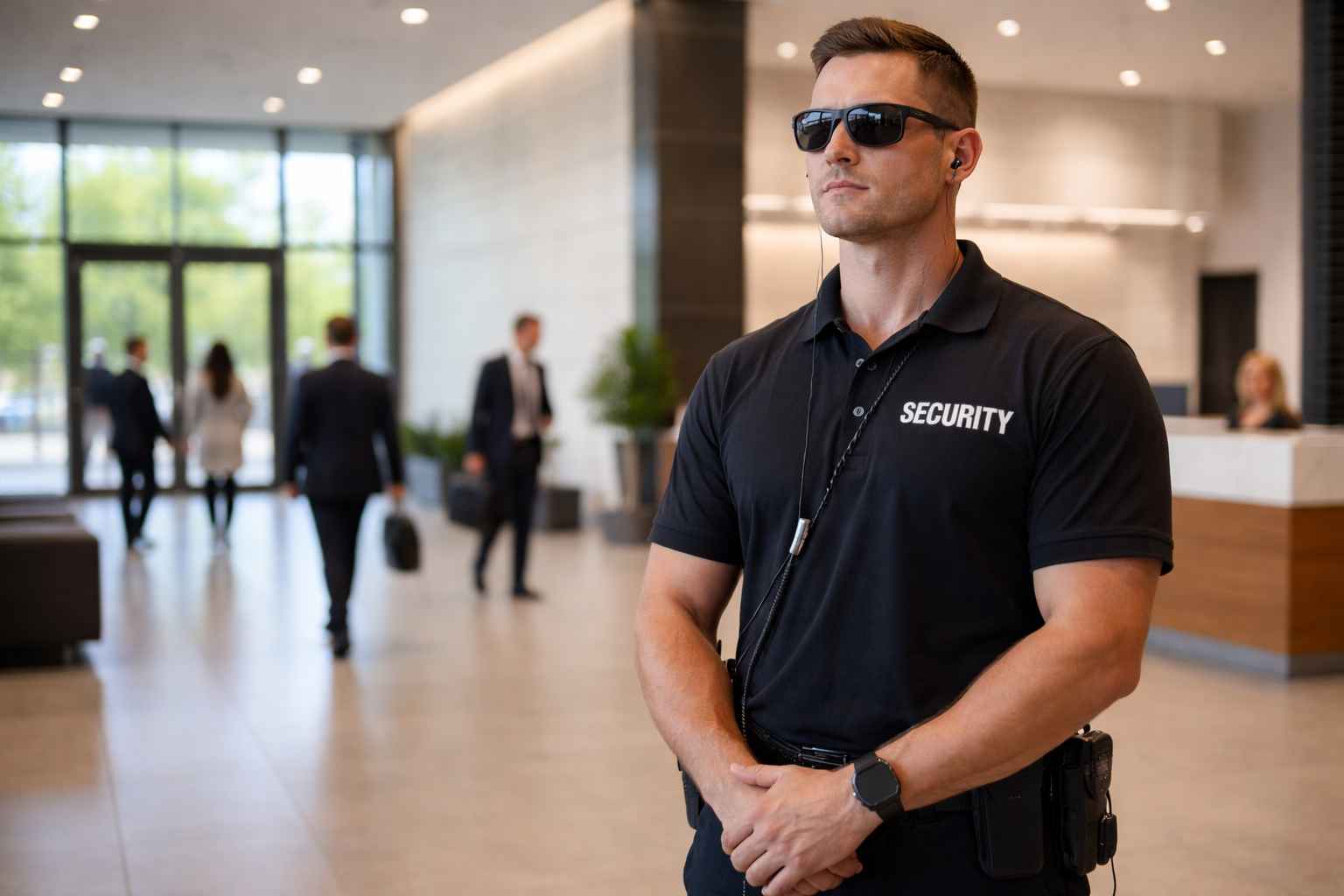
Security Services for Medical Facilities play an important role in protecting patients, medical staff, visitors, equipment, and private areas. Hospitals, clinics, urgent care centers, laboratories, and other healthcare locations can have busy environments where many people enter and leave throughout the day. A professional security presence can help maintain order while supporting a safe and welcoming setting.
Healthcare facilities have different security needs from regular commercial properties. Staff may work around the clock, patients may arrive unexpectedly, and some situations can become stressful without warning. Security personnel can help monitor the facility, control access, respond to concerns, and support established safety procedures.
Why Security Services for Medical Facilities Are Important
Medical facilities handle sensitive information, valuable equipment, medications, and private patient areas. They also welcome people with different needs and backgrounds. This makes practical security procedures important for daily operations.
A trained guard can provide a visible presence at entrances, reception areas, parking spaces, and other important locations. This presence may discourage unauthorized access and help staff identify situations that need attention.
Security should not interfere with patient care. Instead, it should support healthcare workers by creating an organized environment where employees can focus on their responsibilities.
Common Security Challenges in Healthcare Settings
Healthcare locations can experience several types of security concerns. These may include unauthorized visitors, disruptive behavior, theft, property damage, restricted-area access, and conflicts between individuals.
Emergency departments and urgent care centers may also experience high levels of activity. Patients and family members can sometimes become anxious or frustrated because of long waiting periods or difficult circumstances.
Security personnel can help maintain a calm environment by observing activity, communicating clearly, and following the facility's procedures when a concern develops.
Protecting Patients and Medical Staff
Patients should feel safe when visiting a healthcare facility. Medical employees also need an environment where they can perform their duties without unnecessary disruptions.
Guards can monitor common areas, entrances, hallways, parking areas, and other approved locations. Their role can include observing activity and reporting concerns before they become larger problems.
Security Services for Medical Facilities can also help direct visitors to appropriate areas. Simple assistance at entrances can reduce confusion and prevent people from accidentally entering restricted sections of a building.
Managing Access to Restricted Areas
Many healthcare facilities contain areas that should only be accessible to authorized employees. These can include treatment rooms, staff offices, storage areas, laboratories, equipment rooms, and administrative sections.
Access control helps reduce the chance of unauthorized people entering these locations. Security personnel can monitor designated access points and follow facility procedures for visitors, contractors, and deliveries.
Clear access procedures can also make it easier for staff to know where visitors should go. This can improve organization without creating unnecessary barriers for patients or families.
Security Support During Busy Periods
Some healthcare locations experience higher visitor traffic during certain hours. Others may become busier during emergencies, special medical programs, or community health events.
During these periods, security personnel can help manage movement through entrances and waiting areas. They can provide directions, monitor activity, and communicate concerns to facility management.
This support can be especially useful when staff members are focused on patient care and cannot spend time dealing with non-medical security matters.
Protecting Medical Property and Equipment
Medical facilities often contain expensive equipment and important supplies. Damage, theft, or unauthorized access can affect daily operations and create additional costs.
Regular security patrols can help monitor important areas and identify unusual conditions. Guards can also check doors, observe exterior areas, and report concerns according to the facility's security plan.
Security does not replace technology such as cameras, alarms, or access systems. Instead, trained personnel can provide human observation and response alongside those tools.
Security for Parking Areas and Facility Entrances
Parking areas can become important parts of a healthcare security plan. Patients and visitors may arrive at different times, including during evening or overnight hours.
Security personnel can monitor approved parking areas and observe activity around entrances. A visible presence can provide reassurance for people arriving or leaving the facility.
Entrance monitoring is also important because it provides the first point of contact for many visitors. Guards can help direct people while observing for behavior that may require attention.
Supporting a Calm Healthcare Environment
Professional security should be handled with patience and respect. Healthcare environments can involve people who are worried, uncomfortable, confused, or under emotional pressure.
Guards should understand that communication matters. Speaking calmly, listening carefully, and following established procedures can help prevent unnecessary escalation.
The goal is to support a safe environment while respecting patients, families, medical professionals, and other facility users.
Security Planning for Different Medical Facilities
Not every healthcare location requires the same security approach. A small medical office may need limited entrance monitoring, while a larger hospital may require coverage across several areas.
Clinics, laboratories, rehabilitation centers, urgent care locations, and medical offices can all have different risks. A security plan should consider the size of the property, visitor traffic, operating hours, access points, and sensitive areas.
Regular reviews can help facilities adjust their security approach when services, layouts, or operating schedules change.
Frequently Asked Questions
Why do medical facilities need professional security?
Medical facilities protect patients, staff, visitors, equipment, and private areas. Professional security can help monitor activity, control access, and respond to security concerns.
Can security guards work in hospitals and clinics?
Yes. Security personnel can work in different healthcare settings, including hospitals, clinics, urgent care centers, laboratories, and medical offices.
Can guards help manage visitors?
Yes. Guards can provide directions, monitor designated entrances, and follow visitor procedures established by the healthcare facility.
Do medical facilities need security at night?
Some facilities operate continuously and may require overnight coverage. Security needs depend on the facility's operating hours, location, size, and risk level.
Can security guards protect medical equipment?
Security personnel can monitor areas containing valuable equipment and report suspicious activity, unauthorized access, or other concerns according to facility procedures.
Final Thoughts
Healthcare workers need to focus on providing care, while patients and visitors deserve a safe and organized environment. Professional security can provide an important layer of protection through access monitoring, patrols, observation, visitor assistance, and incident support. A carefully planned approach can help medical facilities manage everyday risks while maintaining a respectful atmosphere. White Tiger Security Services provides security solutions that can help healthcare locations protect their people, property, and daily operations.