
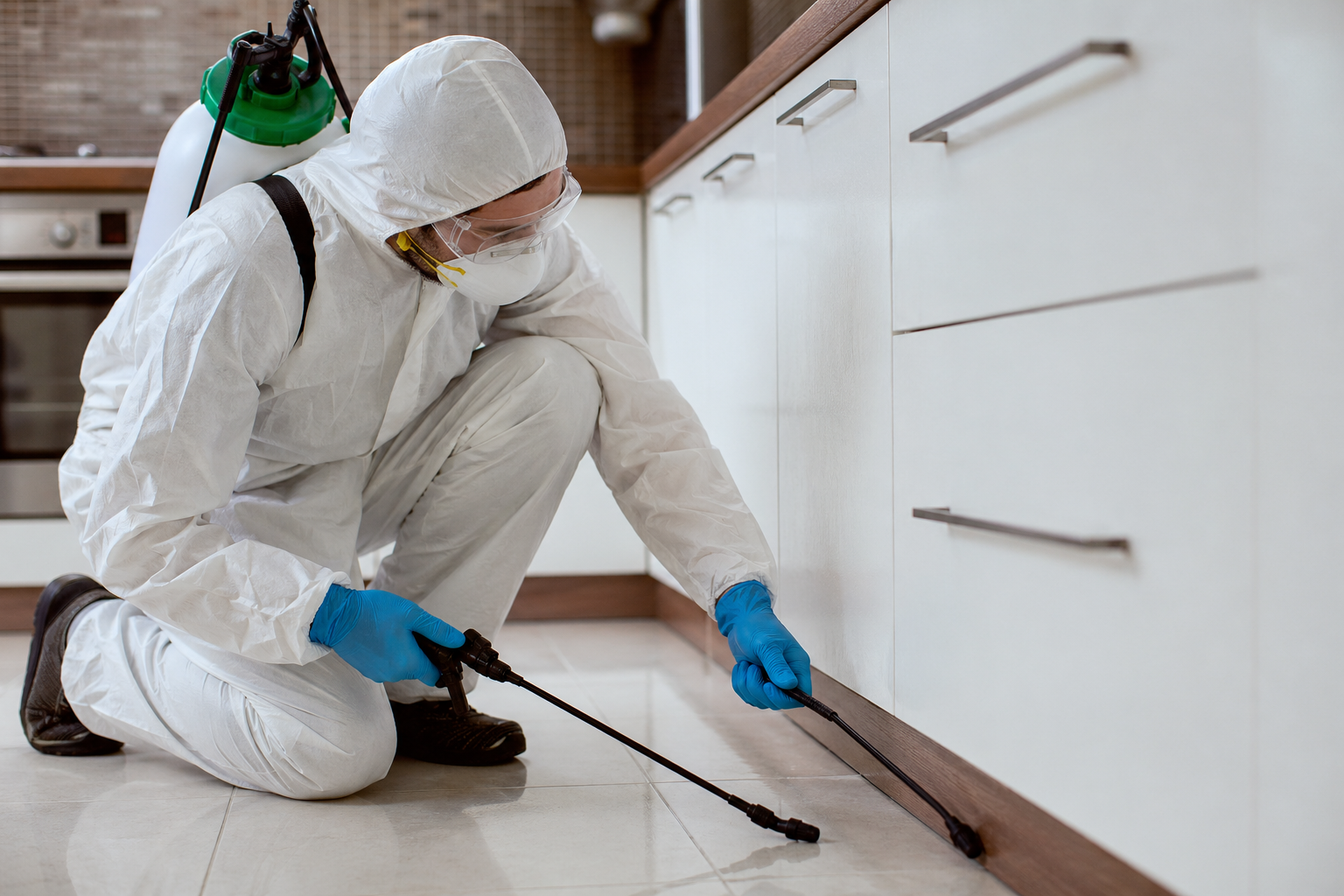
Bees, wasps, and hornets can become a serious concern when they build nests near homes, gardens, roofs, sheds, or business entrances. Some of these insects are helpful for nature, but they can also become risky when they settle too close to people. That is why Bees, Wasps & Hornets Removal should be handled with care, patience, and proper safety steps.
Many people try to remove a nest on their own, but this can be dangerous. Wasps and hornets may attack when they feel threatened. Bees can also become defensive if their colony is disturbed. A small mistake can lead to painful stings, allergic reactions, or a bigger problem.
This guide explains the signs of activity, common risks, safe removal tips, prevention methods, mistakes to avoid, and when expert help is the better choice.
What Is Bees, Wasps & Hornets Removal?
Bees, Wasps & Hornets Removal means safely managing or removing nests and insect activity from homes, gardens, commercial spaces, and outdoor areas. The main goal is to protect people while handling the insects in the safest way possible.
Proper removal is not just about knocking down a nest. It includes checking the insect type, finding the nest location, understanding the risk level, and choosing the right method.
A careful plan may include:
- Inspecting the affected area
- Identifying the insect species
- Keeping people and pets away
- Removing or treating the nest safely
- Cleaning the area after removal
- Preventing future nesting
Because these insects can sting, safety must always come first.
Why Bees, Wasps, and Hornets Come Near Homes
These insects usually come near homes because they find food, shelter, or a safe place to build a nest. Warm weather, open bins, sweet drinks, garden flowers, and roof gaps can attract them.
A bee nest may appear in wall spaces, trees, roof areas, or garden corners. Bees are important pollinators, so removal should be done carefully and, where possible, in a way that protects the colony.
Wasps and hornets are often attracted to food scraps, sugary liquids, meat, fruit, and protected spaces. They may build nests under eaves, inside sheds, in trees, or near outdoor seating areas.
Bees, Wasps, and Hornets: What Is the Difference?
Knowing the difference helps you understand the risk and the best response.
Bees
Bees are usually less aggressive unless disturbed. They are important for pollination and should not be harmed without reason. If bees are nesting in a risky place, safe relocation may be the best option.
Wasps
Wasps can be more defensive, especially near their nest. A wasp nest is often made from a paper-like material and may be found under roofs, in wall gaps, or around outdoor structures.
Hornets
Hornets are larger than many wasps and can be more intimidating. A hornet nest may grow quickly during the active season. If the nest is close to people, it should be treated as a serious safety issue.
Common Signs You Need Removal
You may not always see the nest right away. Sometimes the first sign is repeated insect activity in one area.
Watch for these signs:
- Many insects flying around one spot
- Buzzing sounds inside walls or ceilings
- A visible nest under the roof or in a tree
- Insects entering a crack or hole
- Increased activity near bins or food areas
- People or pets being stung
- Insects gathering around outdoor lights
Heavy stinging insect activity should not be ignored. It can become worse as the colony grows.
Where Nests Are Commonly Found
Bees, wasps, and hornets prefer places that offer protection from weather and disturbance.
Common nesting areas include:
- Roof eaves
- Wall cavities
- Attics
- Trees and shrubs
- Garden sheds
- Garages
- Decking
- Fence posts
- Outdoor furniture
- Soil holes
- Chimneys
A wall cavity nest can be harder to handle because the insects may be hidden inside the structure. In this case, guessing or sealing holes too early can make the problem worse.
Why DIY Removal Can Be Dangerous
Many people try quick methods, such as hitting the nest, spraying from a short distance, or blocking the entrance. These actions can trigger an attack.
A swarm risk becomes higher when insects feel their home is under threat. Wasps and hornets may chase people away from the nest area. Bees may also gather in large numbers when disturbed.
DIY removal can be risky because:
- You may not know the insect type
- The nest may be bigger than it looks
- Insects may enter the home
- Stings can cause allergic reactions
- Poor treatment may leave activity behind
- The nest may be in a hard-to-reach place
If the nest is high, hidden, or close to children, pets, or public areas, expert help is safer.
Safe First Steps Before Removal
Before trying anything, focus on safety.
Keep Distance
Do not stand close to the nest. Watch activity from a safe place. Avoid sudden movement near active insects.
Protect Children and Pets
Keep children and pets away from the area. If the nest is near a door or play area, avoid using that space until the problem is handled.
Avoid Blocking Nest Entrances
Blocking the hole may trap insects and push them into walls, ceilings, or indoor spaces.
Do Not Use Fire or Water
Fire and water can create danger and may not remove the nest properly. Fire can damage property, and water may make insects more aggressive.
Stay Calm Around Insects
Do not wave your hands quickly. Move away slowly if they fly near you.
Bees, Wasps & Hornets Removal Methods
The right method depends on the insect type, nest size, location, and safety level.
Bee Relocation
A bee relocation service may be used when bees are in a place where they can be safely moved. This is often better than destroying the colony because bees support plants, crops, and gardens.
Wasp Control
A trained person may use a proper wasp control treatment around the nest area. This must be done carefully because wasps can respond aggressively.
Hornet Control
Hornets need extra caution due to their size and defensive behavior. A hornet control solution should focus on safety, correct timing, and proper equipment.
Nest Removal
After activity is controlled, nest removal may be needed. In some cases, old nests do not need urgent removal, but nests inside walls or near living areas should be checked properly.
Best Time to Handle a Nest
Timing matters. Bees, wasps, and hornets are usually less active during cooler parts of the day.
A nighttime removal may be safer in some cases because more insects are inside the nest and activity is lower. However, this should not be done without proper knowledge, lighting, protective gear, and a safe escape route.
For most homeowners, it is better to let a trained expert decide the best time.
Safety Gear and Protection
Anyone working near an active nest needs the right protection. Normal clothes are not enough.
A protective bee suit helps reduce the chance of stings. Gloves, face protection, closed shoes, and sealed clothing are also important.
Still, safety gear does not make removal risk-free. Large nests, hidden nests, and aggressive colonies can still be dangerous.
Benefits of Professional Removal
Professional Bees, Wasps & Hornets Removal can save time and reduce risk. Experts know how to inspect the area, identify the insect, and choose the safest method.
A proper pest inspection can show whether the nest is active, where insects are entering, and how serious the problem is.
Professional help offers several benefits:
- Safer handling
- Better insect identification
- Correct treatment method
- Lower risk of repeated activity
- Less chance of property damage
- Advice for prevention
- Protection for families, pets, and visitors
If the nest is close to doors, windows, offices, shops, schools, or outdoor dining areas, expert removal is strongly recommended.
Common Mistakes to Avoid
Mistakes can make the situation worse. Avoid these common errors.
Hitting or Shaking the Nest
This can cause insects to attack quickly.
Spraying Without Knowing the Species
Different insects need different methods. The wrong product may fail or create more risk.
Sealing Holes Too Soon
If insects are inside a wall, sealing the opening can force them into indoor areas.
Ignoring Allergies
A sting can be serious for people with allergies. Always take allergic reaction safety seriously, especially if someone has a known history of severe reactions.
Removing the Nest Without Checking Activity
An active nest should not be handled like an empty one.
How to Prevent Future Nesting
Prevention can reduce the chance of another problem.
Seal Gaps and Cracks
Check rooflines, walls, vents, sheds, and window frames. A small gap can become a nesting entrance.
Keep Food Covered Outdoors
Sweet drinks, fruit, meat, and leftover food can attract wasps and hornets.
Manage Bins Properly
Keep bin lids closed and clean spills around waste areas.
Trim Plants Near the House
Overgrown plants can hide nests and make inspection harder.
Check Outdoor Structures
A roof eaves inspection before peak season can help find early signs before a nest grows.
Remove Old Nesting Material
Old nests may not always be reused, but they can still attract attention or hide other pest problems.
Seasonal Activity and Warning Times
Activity often increases in warm months. Wasps and hornets may become more noticeable when colonies grow larger and food sources change.
A summer pest problem can develop quickly if early signs are missed. Outdoor meals, garden work, and open drinks may attract more insects during this time.
In spring, queens may look for nesting places. In late summer, wasps can become more active around food. Knowing this pattern helps you stay prepared.
Commercial and Outdoor Area Safety
Businesses, schools, cafés, warehouses, and public spaces need extra care. A nest near customers, workers, or visitors can create safety and liability concerns.
Areas that need regular checking include:
- Outdoor seating spaces
- Delivery entrances
- Storage yards
- Playgrounds
- Parking areas
- Roof edges
- Waste areas
- Garden borders
A garden nest near walkways or seating areas should be handled quickly because people may pass too close without noticing it.
What to Do If Someone Gets Stung
Most stings cause pain, redness, and swelling. However, some people can have a serious reaction.
Basic steps include:
- Move away from the nest area
- Wash the sting site gently
- Use a cold pack to reduce swelling
- Avoid scratching
- Watch for breathing trouble, dizziness, or swelling of the face
Seek urgent medical help if there are signs of a severe allergic reaction. These may include trouble breathing, chest tightness, fast swelling, confusion, or fainting.
When to Call an Expert Immediately
Some situations are too risky for DIY handling.
Call an expert if:
- The nest is large
- The nest is inside a wall or roof
- Insects are entering the home
- The nest is near children or pets
- Someone has a sting allergy
- The nest is high or hard to reach
- Hornets are present
- Activity is increasing quickly
An expert can assess the risk and choose a safer plan.
FAQs About Bees, Wasps & Hornets Removal
Is it safe to remove a nest myself?
Small inactive nests may be low risk, but active nests can be dangerous. If insects are flying in and out, it is safer to get expert help.
Should bees always be removed?
Not always. Bees are useful for the environment. If they are not creating danger, they may be left alone. If they are too close to people, relocation may be better.
How do I know if I have wasps or hornets?
Hornets are usually larger, while wasps are slimmer. Both can be defensive near their nest. If you are unsure, do not approach the nest.
Will the insects leave on their own?
Some nests become inactive after the season, but waiting can be risky if the nest is near people or activity is increasing.
Can I spray a nest during the day?
This is not recommended. Insects are more active during the day, and many may be outside the nest. This can increase the chance of stings.
How can I stop them from coming back?
Seal gaps, keep food covered, clean outdoor waste areas, and inspect rooflines or sheds during warmer months.
Conclusion
Bees, Wasps & Hornets Removal should always be handled with safety in mind. These insects can be helpful in nature, but they become a problem when nests are too close to people, pets, homes, or businesses.